

Detours, Dead Ends, and Dry Seasons: Leading Through Frustration
Frustration is a familiar companion in leadership. Every leader encounters it, showing up when progress stalls, paths seem blocked, and outcomes fall short. At its core, frustration is the belief that you may not succeed in your hopes, dreams, or role. You consistently fight against the hint of failure.
When frustration grows inside you, how will you confront it?
The Blessing of Detours
Not every delay you face is random or a sign of failure. Some periods of waiting hold great meaning and purpose. Leadership often includes seasons where progress slows or plans are rerouted. These detours can feel inefficient and discouraging, but they serve a deeper purpose. They build your endurance, refine your character, and strengthen your dependence.
Consider the journey of the Hebrews through the wilderness. What could have been a short journey became a forty-year process. That wasn’t poor navigation. It was purposeful formation. In the waiting, they were being shaped.
Delays test patience and expose what we truly trust. It’s tempting in those seasons to “return to Egypt,” to go back to what is familiar, even if it’s limiting. But growth rarely happens in comfort. As a leader, you need to reframe delay: God’s delays are not His denials—they are His development plan!
Even without a clear roadmap, you are not without guidance. The presence of God is with you, especially in the uncertain spaces.
Dead Ends
Some frustrations feel more final than others: a closed door, a failed project, a situation that leaves you boxed in with no visible exit. But leadership isn’t just about what you can see. It’s about what you choose to believe in moments when you can’t see a way forward!
There’s a reason that leaders are sometimes brought to the edge. It reveals greater strength within and deepens faith. As the famous preacher Charles Spurgeon once said, “Man’s extremity is God’s opportunity.” When frustration mounts, resist panic, hold your mental and emotional ground, and trust that not all outcomes depend on your effort alone.
Dry Seasons
In addition, not all frustration comes from crisis. Sometimes it comes from monotony, lack of visible results, or prolonged effort with little return. These are the “dry” seasons where you’re investing, digging, leading… but nothing seems to be coming up. In these moments, leaders are tempted to complain. Frustration turns vocal. Doubt creeps into conversations. Vision starts to become foggy.
What you speak in dry seasons shapes what you believe and how you lead!
Complaining may feel justified, but it reinforces defeat. Leaders set the tone, even in discouragement. Expressing frustration without anchoring it in hope can slowly erode both personal resilience and team morale.
Leading Amidst Frustration
Here’s how strong leaders navigate these seasons:
Let detours develop you, not define you: growth often happens in places that feel like delays. Stay committed to the process, even when progress isn’t obvious.
Don’t panic at dead ends: when options disappear, your perspective matters more than strategy. Trust that you haven’t failed.
Guard your voice in dry seasons: what you say under pressure matters. Choose words that align with faith and vision to inspire, not discourage.
Just keep moving forward: the Apostle Paul writes in Philippians 3:13 that we are called to “forget what is behind and reach forward to what is ahead.” Leadership requires forward focus, even when the past feels heavy.
Frustration is not a sign that you are failing. It can be a sign that you are being built stronger, revealing your need for dependence, and testing your voice and vision. And on the other side, there is something better than what you originally planned. Don’t give up...!
Which “dead end” in your leadership journey has taught you the most about trust, perseverance, or resilience?
In dry seasons, how do your words and attitude influence your own mindset and the morale of your team?
ADDITIONAL RESOURCES
Books:

Unoffendable: How Just One Change Can Make All of Life Better by Brant Hansen
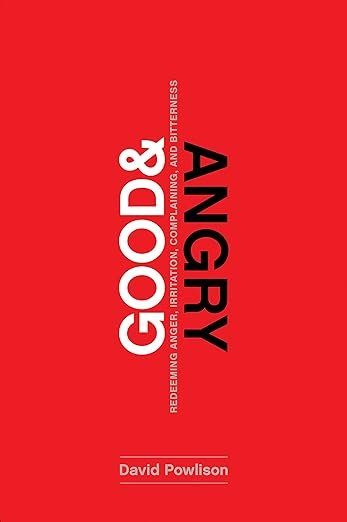
Good and Angry: Redeeming Anger, Irritation, Complaining, and Bitterness by David Powlison
Blogs:
9 Biblical Ways to Battle Frustration in Ministry | ABWE
13 Bible Verses on Frustration | Sermon Index
Overcoming Irritability | Association of Certified Biblical Counseling
5 Steps for Handling Life's Frustrations | Pastors.com
Coaching:
Dr. Michele Fleming, Townsend Leadership Program Director, Coach & Consultant