


The Heart of a Leader: Bubbling to the Top
True leadership begins beneath the surface. The quiet attitudes, beliefs, and convictions in a leader’s heart inevitably rise and shape their team. Leaders set the tone through their example, fuel others with authentic passion, pursue growth with humility, and serve with genuine care. When a leader’s inner life is grounded in integrity and compassion, their influence creates life-giving ripples that strengthen both people and purpose.

The Heart of a Leader: The Power of Habits and Mindset
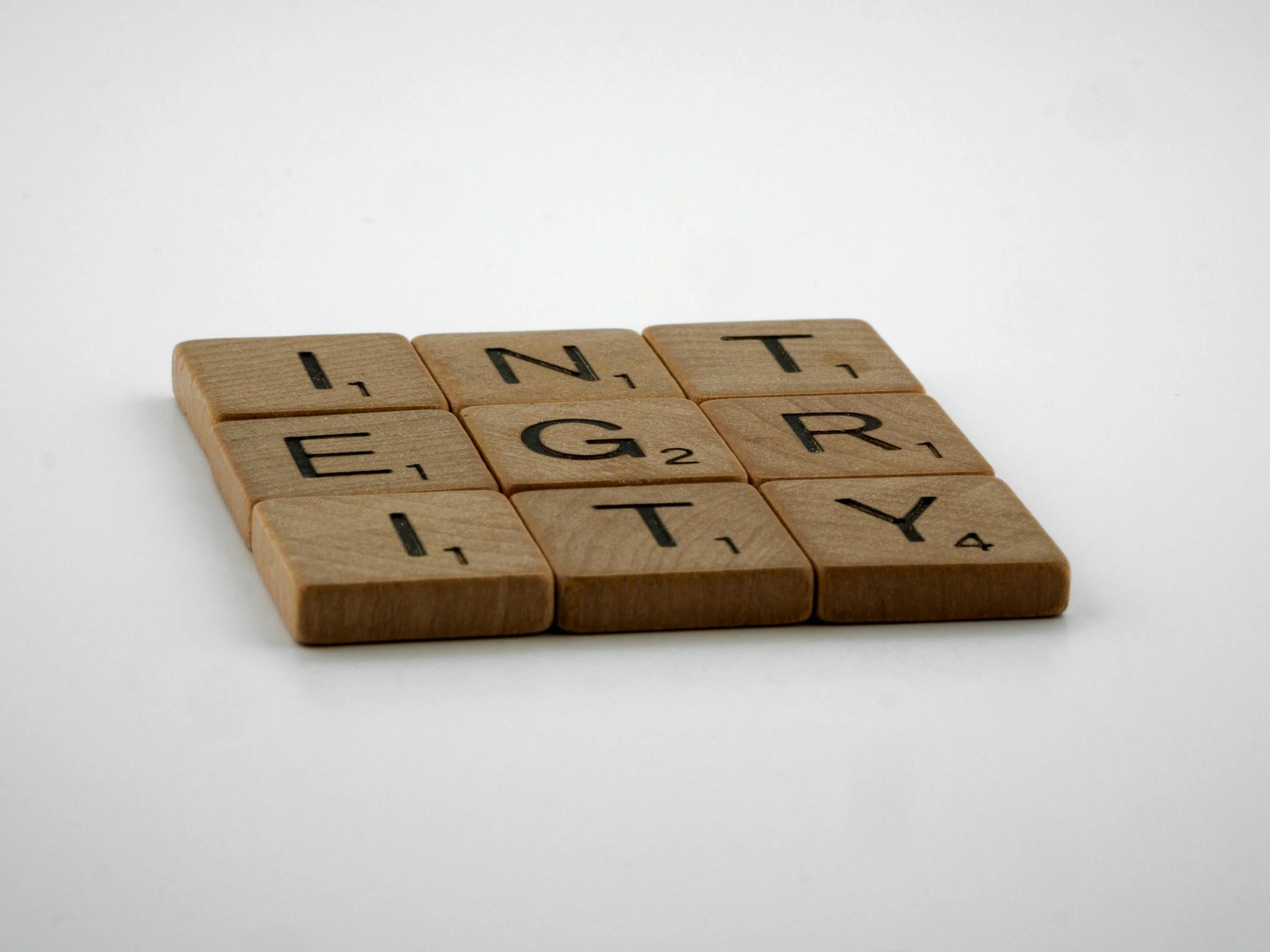
True leadership flows from character, integrity, and credibility. Leaders who guard trust and lead from the heart shape the future of their teams and organizations.
The Heart of a Leader: Credibility is King
Great leadership flows from character, care, and encouragement. Leaders who build trust and affirm others strengthen both people and teams.

All the Feels: Sweet & Salty
Healthy teamwork embraces disagreement, shared leadership, active participation, and honest feedback to create a constructive atmosphere where teams grow stronger together.

All the Feels: Bringing Joy to Teams
Effective teams thrive when shared vision, people development, clear purpose, collaboration, and open communication work together to create alignment and momentum.

All the Feels: It Takes a Village
When teamwork is functioning well, teams experience greater satisfaction, stronger collaboration, and better decision-making. Effective teams create synergy that allows individuals to contribute their strengths while overcoming weaknesses together.

Are You Married to Teamwork or Growing Apart?
Are you married to teamwork or growing apart as of late? Just like marriage, effective teams require commitment, shared responsibility, and intentional leadership development. When individuals carry the load alone, productivity suffers and organizational effectiveness breaks down. True team leadership is not about titles or hierarchy but about shared vision, mutual respect, and collaborative responsibility. When leaders commit to team development, invest in healthy relationships, and model intentional leadership, teams grow stronger, more resilient, and aligned around a common mission.

To Team or Not to Team…That is the Question!
What would happen if you did not prioritize enhancing your own team leadership? The truth is that a lack of intentionality in leadership development can weaken your team culture, slow organizational growth, and limit long term success. When leaders invest in team training, collaboration, and communication skills, the results are expansive and deeply rewarding.

First Class Skills: Enhancing One’s Own Leadership
While supervision and management are of great importance, the actual building of a team is the paramount task of executive leaders. Kouzes and Posner emphasize building a team to accomplish the work at hand: “A one-word test for differentiating between leaders and managers that came through loud and clear in case studies was the use of we instead of I.

FORMING & STORMING
We can learn from the past. Past leaders. Past events. Past lessons. Several years ago, the National Research Laboratories examined successful teams from World War II to determine if there were common dynamics that contributed to their success. Their research defined four stages of successful team development. The first stage for team development is forming – the time when a team first comes together. The second stage of team development is called storming – the time when team members struggle with identifying their place within the team.